The definitions of grains and seeds are often confused. Words “grain” and “seed” have various definitions depending on the context.
The major difference is the biological one – the grain is a fruit which contains one seed inside, but looks like a seed because the fruit component is thin, dry and fused to a hard seed coat that looks just like a seed coat itself.
There are other differences, however, which are best represented by showing a table with various definitions and word uses.
The main differences between grains and seeds are represented in the following table: (1, 2, 3, 4, 5, 6, 7, 8)
| Difference types | Seed | Grain |
|---|---|---|
| Biological difference | Doesn’t have an ovary. It is a ripened ovule. | It is a ripened ovary with one ripened ovule inside. |
| Biological difference | Is not a fruit. | Is a fruit with one seed inside. |
| Biological difference | Has no fruit component. | The fruit part of the grain is dry and is fused (stuck with) with the seed coat (cannot separate them). |
| Biological difference | Has no bran. | Has bran – a fusion of fruit wall and hard seed coat. |
| Common agricultural use | Usually planted to grow plants. | Harvested for food for livestock animals and humans. |
| Culinary constituent difference | Frequently used in culinary purposes for their higher fat and fiber contents. | Carbohydrate content predominates. Used primarily for culinary purposes for their carbohydrate content. |
| Culinary usage difference | Snack, sprinkle on breakfast cereal or in salads, seed and nut energy bars, seed and nut protein snacks, oils. | Carbohydrate component of the main meal: flour products, pastas, noodles, rice dishes, breads, tortillas, biscuits, cakes, pizza bases, breakfast cereals. |
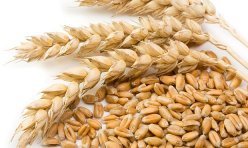
| Examples | Pumpkin seeds, chia seeds, flaxseeds, sesame seeds, poppy seeds, sunflower seeds | Grass family: wheat, barley, rice, corn, barley. Pseudo-grains: quinoa, amaranth, buckwheat. |
NUTRITION FACTS VS NUTRITION MYTHS
You will find a summary of the most common nutrition myths and evidence-based nutrition facts here.