High fiber foods give you about 3 g of fiber or more per serving, and 6 g or more counts as a high source. The 35 foods below are ranked by the fiber a typical serving delivers: chia seeds (10.6 g per 1 oz), navy beans (9.6 g per ½ cup), lentils (7.8 g), pinto beans (7.7 g), flaxseeds (7.6 g per ounce) lead the list. Most adults need 25–38 g of fiber a day and eat only about 15–16 g.
This list is deliberately selective. Every food is nutrient-dense and low enough in starch to suit a low-carb diet, so starchy grains such as bulgur and spelt are left out (here is why).
Key takeaways
- Aim for 25 g (women) to 38 g (men) of fiber a day; after age 50 the targets are 21 g and 30 g. The average American gets about 15–16 g.
- Beans, lentils, chia and flax seeds, artichokes and berries give the most fiber per serving (roughly 4–11 g).
- On a food label, about 3 g per serving is a “good source” and 6 g or more is “high”.
- Add fiber gradually and drink water – a sudden jump is the usual cause of gas and bloating.
- Whole foods beat products with added fiber (bars, shakes, “low-carb” breads): they bring vitamins, minerals and antioxidants with the fiber.
ON THIS PAGE
- High fiber foods ranked by fiber per serving
- What counts as a high fiber food?
- How much fiber do you need per day?
- Not every high-fiber food is a healthy choice
- Health benefits of high fiber foods
- What makes these high fiber foods special
- High fiber foods list: all 35 foods
- Nuts and seeds
- Legumes
- Oats
- Vegetables
- Fruits
- Soluble vs insoluble fiber
- High fiber foods for constipation
- How to eat more fiber without gas and bloating
- Who should be careful with high fiber foods
- Frequently asked questions
- Sources
High fiber foods ranked by fiber per serving
Use this table to see at a glance which foods give you the most fiber for a normal portion. Click a food to jump to its entry with nutrients, health properties and serving ideas.
| # | Food | Fiber per serving | Typical serving | Fiber per 100 g | % of 25 g |
|---|---|---|---|---|---|
| 1 | Chia seeds | 10.6 g | 1 oz (28 g) | 37.9 g | 42% |
| 2 | Navy beans | 9.6 g | ½ cup (91 g) | 10.5 g | 38% |
| 3 | Lentils | 7.8 g | ½ cup (99 g) | 7.9 g | 31% |
| 4 | Pinto beans | 7.7 g | ½ cup (85 g) | 9.1 g | 31% |
| 5 | Flaxseeds | 7.6 g | 1 oz. (28 g) | 27.1 g | 30% |
| 6 | Passion fruit | 7.6 g | 4 medium (72 g) | 10.6 g | 30% |
| 7 | Black beans | 7.5 g | ½ cup (86 g) | 8.7 g | 30% |
| 8 | Adzuki beans | 7.3 g | ½ cup (100 g) | 7.3 g | 29% |
| 9 | Artichokes | 7.2 g | ½ cup (84 g) | 8.6 g | 29% |
| 10 | Avocado | 6.7 g | small (100 g) | 6.7 g | 27% |
| 11 | Kidney beans | 6.6 g | ½ cup (88 g) | 7.5 g | 26% |
| 12 | Lima beans | 6.6 g | ½ cup (94 g) | 7.0 g | 26% |
| 13 | Chickpeas | 6.3 g | ½ cup (82 g) | 7.7 g | 25% |
| 14 | Pears (with skin) | 6.0 g | 1 medium (178 g) | 3.4 g | 24% |
| 15 | Soybeans | 5.2 g | ½ cup (86 g) | 6.0 g | 21% |
| 16 | Turnip greens | 5.0 g | 1 cup (144 g) | 3.5 g | 20% |
| 17 | Coconut meat | 5.0 g | 2 oz. (56 g) | 8.9 g | 20% |
| 18 | Acorn (winter) squash | 4.5 g | ½ cup (102.5 g) | 4.4 g | 18% |
| 19 | Green peas and split peas | 4.4 g | ½ cup (80 g) | 5.5 g | 18% |
| 20 | Oats | 4.1 g | ½ cup (40.5 g) | 10.1 g | 16% |
| 21 | Raspberries | 4.0 g | ½ cup (61 g) | 6.6 g | 16% |
| 22 | Blackberries | 3.8 g | ½ cup (72 g) | 5.3 g | 15% |
| 23 | Boysenberries | 3.5 g | ½ cup (66 g) | 5.3 g | 14% |
| 24 | Pomegranate | 3.5 g | ½ cup (87 g) | 4.0 g | 14% |
| 25 | Almonds | 3.4 g | 1 oz. (28 g) | 12.1 g | 14% |
| 26 | Sesame seeds | 3.3 g | 1 oz. (28 g) | 11.8 g | 13% |
| 27 | Apples | 2.9 g | 1 medium (120 g) | 2.4 g | 12% |
| 28 | Parsnips | 2.8 g | ½ cup (78 g) | 3.6 g | 11% |
| 29 | Broccoli | 2.6 g | ½ cup (78 g) | 3.3 g | 10% |
| 30 | Cocoa nibs and high-cocoa chocolate | 2.2 g | ½ oz. (14 g) | 15.7 g | 9% |
| 31 | Brussels sprouts | 2.0 g | ½ cup (78 g) | 2.6 g | 8% |
| 32 | Walnuts | 1.9 g | 1 oz. (28 g) | 6.8 g | 8% |
| 33 | Spinach | 1.8 g | ½ cup (90 g) | 2.6 g | 7% |
| 34 | Blueberries | 1.8 g | ½ cup (74 g) | 2.4 g | 7% |
| 35 | Strawberries | 1.4 g | ½ cup (72 g) | 1.9 g | 6% |
Serving sizes differ between foods, so the per-100 g column is the fairer measure of fiber density, while the per-serving column is closer to what you actually eat. The last column shows the share of a 25 g daily target (the figure for women under 51). The percentages for men in the entries below use a 30 g target; for men under 51 (38 g) they are lower.
What counts as a high fiber food?
Food labels in the United States use the Daily Value of 28 g of fiber: a food that supplies 10–19% of it (about 3–5.5 g per serving) is a “good source”, and one with 20% or more (about 6 g or more) can be called “high” or an “excellent source”. By that yardstick the top 12 foods in the table above are all high fiber foods.
Fiber is found only in plant foods – meat, fish, eggs and dairy contain none. If you want the details of what fiber is and how it works, read our guide to dietary fiber.
How much fiber do you need per day?
| Age | Women | Men |
|---|---|---|
| 19–50 years | 25 g | 38 g |
| 51 years and over | 21 g | 30 g |
These are the Adequate Intakes set by the US Institute of Medicine (14 g per 1,000 calories). The Daily Value printed on labels is 28 g. In the United States the average intake is only about 16 g a day (1), so most people need to roughly double the fiber they eat.
Not every high-fiber food is a healthy choice
A large share (46%) of the fiber Americans eat comes from foods with a high glycemic index and load: bread products 12%, grain-based mixed dishes 9% and cereals 8% (read more about fiber). These foods can drive insulin resistance in some people, so they are a poor choice for people with diabetes or heart conditions who want fiber without the blood-sugar spike.
That is why this article ranks whole, nutrient-dense foods. If you want to replace some bread, cereal and grain products, start with the foods in the table above. Our guide to good and bad carbs explains the difference.
What are the health benefits of high fiber foods? (1)
- Improves gastrointestinal function by forming a bulk in the intestine, helping relieve constipation
- Reduces the risk of developing cardiovascular diseases (read more..)
- High fiber foods create a feeling of fullness after eating and may be used in weight loss or management programs (read more..)
- Reduces the risk of developing type 2 diabetes and improves blood glucose management in diabetics
- May reduce the risk of developing colorectal cancer (read more..)
- Fiber is lower in calories than other carbohydrates (read more..)
The nutritional information of the following high fiber foods was calculated using:
- National Heart Lung and Blood Institute (NIH),
- Australian National Health
- USDA Nutrient database and “Choose your plate”.
NOTE: Some foods high in fiber, such as popcorn, and sweet potatoes were excluded from this list since they have a medium to high glycemic load and therefore, should be eaten in moderation.
Comparing the amount of fiber in foods is not easy. This can be done using the percentage of fiber content in foods or the amount of fiber in a typical serving.
Both calculations are provided for each food, however, neither method is ideal for the following reasons:
- Percentage/amount of fiber contents per 100g – although it gives a good indication of the fiber density in each food, it is not a practical comparison since it assumes the same serving sizes. While it is normal to have 100 grams of broccoli in one sitting, 100 grams of flaxseeds would be hard to digest or may provide too much of certain nutrients.
- Amount of fiber per typical serving – although more practical, it is not ideal since the typical serving size varies between individuals. For instance, one person may like to sprinkle a teaspoon of sesame seeds on their breakfast cereal, while another regularly consumes hummus with a high proportion of tahini (made of sesame seeds).
What makes these high fiber foods special
The following list presents the highest and the healthiest fiber foods on the planet.
All of these foods have a high ratio of fiber to carbohydrates and a high concentration of micro-nutrients and antioxidants. (read “What are healthy carbs” for more information on good and bad carbs)
Each of them also has specific health promoting components that makes it unique.
Note on high starch foods
Foods high in fiber, such as bulgur and spelt are not included in the list since they are also high in starch.
While many studies prove that whole grains are beneficial for type 2 diabetes, heart health, prevention of colon cancer and even weight maintenance, the use of grains remains quite controversial due to contradicting studies showing that a diet high in starches (such as high cereal grain diet) lead to insulin resistance and support a high fat, and low carbohydrate diet.
Grains, due to their high starch content, are definitely not suitable for low carbohydrate diets and for carbohydrate sensitive people.
Small amounts of bulgur and spelt may be not harmful, but this list only focuses on high fiber foods that are at the same time exceptionally healthy and comply with a low carbs diet.
Note on the best fiber supplements
If food alone is not enough, a fiber supplement can help. Psyllium husk is the best-studied option for relieving constipation and for lowering LDL cholesterol; start with a small dose and drink plenty of water. Evidence for slippery elm is limited, so treat it as optional.
High fiber foods list: all 35 foods with fiber content
Every entry shows the fiber in 100 g and in a typical serving, the share of the daily target, the main vitamins and minerals, what makes the food healthy and an easy way to eat it.
High fiber foods: nuts and seeds
Chia seeds
Fiber contents per 100g: 37.9g
Fiber contents per typical serving (1oz – 28g): 10.6g
– RDA for men: 35.3%
– RDA for women: 42.4%
Excellent source of: Omega 3; Iron; Magnesium; Manganese; Phosphorus.
Good source of: Omega 6; Thiamin (Vitamin B1); Niacin (Vitamin B3); Calcium; Copper; Zinc.
Health properties
Chia seeds – one of the healthiest high fiber foods, is considered as superfood since they have a high density of nutrients and have been shown to have numerous health benefits.
When soaked, they swell into tiny gel-like balls and can hold up to 27 times their dry weight as liquid.
Chia seeds can be eaten whole – its nutrients are well absorbed and don’t need to be grounded for digestion and absorption. Grounding reduces its shelf life.
Culinary suggestions
Chia seeds have a mild flavor, making them a very versatile food, suitable for wide range of recipes. You can sprinkle them on cereals, salads or any other meal.
They are a great addition to smoothies and thanks to its gel-like forming properties, chia seeds can be used to make puddings, thicken sauces and soups or as a replacement for eggs in some recipes.
For a fun and refreshing drink, add a teaspoon of chia seeds to water with lemon and ice for about 15 minutes before drinking.
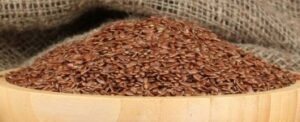
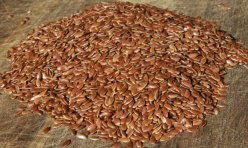
Flaxseeds
Fiber contents per 100g: 27.1g
Fiber contents per typical serving (1 oz. – 28g): 7.6g
– RDA for men: 25.3%
– RDA for women: 30.4%
Excellent source of: omega 3; thiamin (vitamin B6); copper; iron; magnesium; manganese.
Good source of: omega 6; phosphorus; selenium; zinc.
Health properties
Flaxseeds are considered to be a superfood for its high omega 3 fatty acids, fiber and nutrient contents. Similarly to chia seeds, an exceptionally high contents of fiber places flaxseeds are on top of high fiber foods list.
They are useful in weight loss, since they reduce the appetite and relieve diarrhea and constipation.
Flaxseeds are known for many health benefits such as anti-inflammatory properties, are great for heart health, diabetes and help reduce inflammation, blood cholesterol, blood glucose and blood pressure.
Flaxseeds are linked with a reduced risk of developing cancer.
Culinary suggestions
Flaxseeds have a stronger taste than chia seeds and so may not be as suitable in certain dishes (although it is a matter of preference).
The best ways of using flaxseeds are to sprinkle them in salads, fried eggs or French toast, or to add them to baked products, muesli/yogurt, fruit salads, breakfast cereals, smoothies or protein shakes.
Flaxseeds can be used as egg substitutes or to coat cooked foods, such as chicken breast.
Almonds
Fiber contents per 100g: 12.1g
Fiber contents per typical serving (1 oz. – 28g): 3.4g
– RDA for men: 11.3%
– RDA for women: 13.6%
Excellent source of: omega 6; vitamin E; riboflavin (vitamin B2); copper; magnesium; manganese.
Good source of: iron; phosphorus.
Health properties
Almonds are very high in antioxidants, and micronutrients.
The benefits of eating almonds are: improved blood sugar control, reduction in oxidative stress to the cell membranes, lowering LDL cholesterol and preventing it to be oxidized and reducing blood pressure.
It is also great for weigh loss by reducing appetite due to its high fiber and protein contents. Almonds are good for diabetics and for optimal heart health.
Culinary suggestions
Besides nibbling on almonds, they can be added to desserts, granola, breakfast cereals and fruit salads. Homemade almond milk is easy to make – blend almonds with water.
Almond butter can also be made (blend them with a little oil). Almonds can be used in baking (cakes, breads, pastry, biscuits), or in dips or added to stir fry, Thai curries (e.g. toasted almonds), salads and smoothies (as almond butter/milk). Toast almonds for more pronounced taste and crunchiness.
Sesame seeds
Fiber contents per 100g: 11.8g
Fiber contents per typical serving (1 oz. – 28g): 3.3g
– RDA for men: 11.0%
– RDA for women: 13.2%
Excellent source of: omega 6; calcium; copper; iron; magnesium; manganese; zinc.
Good source of: thiamin (vitamin B1); vitamin B6; phosphorus.
Health properties
Sesame seeds have the highest concentration of cholesterol phytosterol of all nuts and seeds.
Phytosterols are associated with lowering blood cholesterol, enhancing immune response and reducing the risk of developing some cancers.
Sesame seeds’ high concentration of minerals may be beneficial in rheumatoid arthritis (copper), respiratory and cardiovascular health (magnesium) and osteoporosis (calcium and zinc).
Culinary suggestions
Sesame seeds have many culinary applications. Halva is the most sesame rich food. Home-made halva contains much less sugar than halva products you can find in the supermarkets which often have over 50% sugar.
If you like halva, blend 80% of sesame seeds and a maximum 20% of honey and rose water for taste and form a block or snack size pieces.
Sesame seeds can be used for stir fries in many Asian recipes, sauces, coating of fish or chicken, hummus, sprinkled on salads, breakfast cereals, baked products (breads, pastry) and, of course, desserts.
Walnuts
Fiber contents per 100g: 6.8g
Fiber contents per typical serving (1 oz. – 28g): 1.9g
– RDA for men: 6.3%
– RDA for women: 7.6%
Excellent source of: omega 3; omega 6; copper; manganese.
Good source of: vitamin B6; magnesium; zinc.
Health properties
Walnuts are the richest omega 3 nut and contain a unique composition of unsaturated fats, proteins, fiber, minerals, and antioxidants. This combination has a beneficial impact on health.
Walnuts have anti-inflammatory properties and help in cholesterol reduction.
Regular consumption of walnuts is associated with a reduced risk of developing metabolic syndrome, coronary heart disease and cancer, an improved brain function and a reduction in visceral fat. Walnuts are a great food for diabetics.
Culinary suggestions
The most common usage of walnuts is to nibble on them as a morning or mid-afternoon snack.
They can also be used in desserts (e.g. ice-creams), in pieces on top of your breakfast cereal or granola, in baking (cakes, breads, pastry, biscuits), in dips or sauces (e.g. pesto sauce), in soups (e.g. sprinkle on top of creamy celeriac soup) and added to salads and smoothies (as nut butter or nut milk).
Blend walnuts to make homemade walnut nut milk or walnut butter.
High fiber foods: legumes
BEANS
Navy beans
Fiber contents per 100g: 10.5g
Fiber contents per typical serving (1/2 cup – 91g): 9.6g
– RDA for men: 32.0%
– RDA for women: 38.4%
Excellent source of: folate; copper; iron; manganese.
Good source of: omega 3; thiamin (vitamin B1); vitamin B6; magnesium; phosphorus; potassium; zinc.
Pinto beans
Fiber contents per 100g: 9.1g
Fiber contents per typical serving (1/2 cup – 85g): 7.7g
– RDA for men: 25.7%
– RDA for women: 30.8%
Excellent source of: folate; copper, iron; manganese.
Good source of: thiamin (Vitamin B1); vitamin B6; magnesium, phosphorus, potassium; zinc.
Black beans
Fiber contents per 100g: 8.7g
Fiber contents per typical serving (1/2 cup – 86g): 7.5g
– RDA for men: 25.0%
– RDA for women: 30.0%
Excellent source of: folate; copper; iron; manganese.
Good source of: thiamin (vitamin B1); magnesium; phosphorus; potassium; zinc.
Kidney beans
Fiber contents per 100g: 7.5g
Fiber contents per typical serving (1/2 cup – 88g): 6.6g
– RDA for men: 22.0%
– RDA for women: 26.4%
Excellent source of: folate; copper; iron; manganese.
Good source of: vitamin K; thiamin (vitamin B1); magnesium; phosphorus, potassium; zinc.
Adzuki beans
Fiber contents per 100g: 7.3g
Fiber contents per typical serving (1/2 cup – 100g): 7.3g
– RDA for men: 24.3%
– RDA for women: 29.2%
Excellent source of: folate; copper; iron; manganese; zinc.
Good source of: magnesium; phosphorus, potassium.
Lima beans
Fiber contents per 100g: 7.0g
Fiber contents per typical serving (1/2 cup – 94g): 6.6g
– RDA for men: 22.0%
– RDA for women: 26.4%
Excellent source of: copper; iron; manganese.
Good source of: thiamin (vitamin B1); vitamin B6; folate; magnesium; phosphorus, potassium; zinc.
Soybeans
Fiber contents per 100g: 6.0g
Fiber contents per typical serving (1/2 cup – 86g): 5.2g
– RDA for men: 17.3%
– RDA for women: 20.8%
Excellent source of: omega 3; omega 6; vitamin K; riboflavin (vitamin B2); copper; iron; magnesium; manganese; phosphorus.
Good source of: thiamin (vitamin B1); vitamin B6; folate; potassium; selenium; zinc.
Health properties
Beans are the least expensive of high fiber foods, are great source of proteins, rich in a wide variety of micro-nutrients and antioxidants.
They digest slowly and a standard serving has a low glycemic load, making them a heart and diabetes – friendly food. Beans are also associated with lowering blood pressure and increasing “good” HDL cholesterol.
Since they are rich in protein and fiber, beans are great in suppressing hunger and for weight control.
Culinary suggestions
Beans are good for stews, soups, curries, casseroles, salads and side dishes.
They can either be blended to thicken soups or added whole to food. Beans should be soaked overnight before cooking. Cooked beans can be stored in the freezer for later use.
Beans should not be cooked in acid, such as tomato sauce, since they will not soften up. The cooking time depends on the type of bean.
Lentils
Fiber contents per 100g: 7.9g
Fiber contents per typical serving (1/2 cup – 99g): 7.8g
– RDA for men: 26.0%
– RDA for women: 31.2%
Excellent source of: folate; copper; iron; manganese.
Good source of: thiamin (vitamin B6); pantothenic acid (vitamin B5); vitamin B6; magnesium; phosphorus; potassium; zinc.
Health properties
Lentils are low in calories, very rich in micro-nutrients and in both soluble and insoluble fiber and great for constipation relief.
Like beans, lentils have cholesterol lowering properties, and help regulate the blood glucose level, making them a heart and diabetes – friendly food.
Lentils are a great source of steady release of energy, without causing spikes in the blood sugar level.
Being rich in iron, lentils are great for menstruating, pregnant or lactating women and also vegetarians.
Culinary suggestions
Lentils are quick and easy to prepare. Unlike beans, lentils don’t require soaking before cooking and cook much faster.
Cooked lentils are about 3 times the size of dry lentils and easily absorb the flavors of the seasoning. Lentils can be used in soups, salads, curries and as a side dish instead of grains (such as rice).
Chickpeas
Fiber contents per 100g: 7.7g
Fiber contents per typical serving (1/2 cup – 82g): 6.3g
– RDA for men: 21.0%
– RDA for women: 25.2%
Excellent source of: folate; copper; iron; manganese.
Good source of: magnesium; phosphorus; zinc.
Health properties
Chickpeas are not only in the top high fiber foods list, but they are also considered to be meat for vegetarians due to their high protein content.
Consumption of chickpeas is associated with improving the blood glucose profile and reducing the risk of developing cardiovascular diseases, digestive issues and some cancers.
Chickpeas also suppress appetite and are useful in weight loss.
Culinary suggestions
Hummus is one of the most well-known chickpea based foods. The culinary applications, however, are vast.
They can be used in salads, dips, roasted in spices and used as a snack, cooked in curries, soups, falafels, pastas, risottos, loafs, veggie burgers, served with fried eggs, desserts such as granola bars, cookies, pies etc.
Chickpeas are a great substitute to high glycemic index carbohydrate accompaniments, such as white rice or potatoes.
Green peas and split peas
Fiber contents per 100g: 5.5g
Fiber contents per typical serving (1/2 cup – 80g): 4.4g
– RDA for men: 14.7%
– RDA for women: 17.6%
Excellent source of: vitamin A; vitamin C; vitamin K; copper; manganese.
Good source of: thiamin (vitamin B1); niacin (vitamin B3); vitamin B6; folate; iron; zinc.
Health properties
Split peas are the dried version of green peas and although they have similar nutrients and health properties they can vary in culinary applications.
The high protein contents make them a great food for vegetarians or as an animal product substitute. Green peas are high in phytochemicals of antioxidants and have anti-inflammatory properties.
These properties combined with a low glycemic index and a high fiber to carbohydrate ratio makes it a perfect food for a healthy heart and diabetics.
Being a great source of protein and carotenoid phytonutrients, green peas promote vision and eye health.
Culinary suggestions
Green peas can be eaten raw, as addition to salads or quiches. They have to be boiled for a few minutes to retain their crispiness and can be added to just about any savory dishes.
Cooked and mashed green peas are also great to accompany foods, such as salmon or chicken.
Split peas can be used similarly to lentils.
High fiber foods: oats and cereal grains
Note: only oats are included in the cereal grains section since they have exceptional health properties, and can be considered as the healthiest grain.
Although spelt and bulgur are also high in fiber, they are considered to be high starch grains, which are not advisable in low carb diets which this site promotes.
The foods listed in this article are not only high in fiber but also have tremendous health properties and don’t need to be restricted to the extent of cereal grains.
Oats
Fiber contents per 100g: 10.1g
Fiber contents per typical serving (1/2 cup – 40.5g): 4.1g
– RDA for men: 13.7%
– RDA for women: 16.4%
Excellent source of: copper; iron; manganese.
Good source of: thiamin (vitamin B1); pantothenic acid (vitamin B5); magnesium; phosphorus; selenium; zinc.
Health properties
Oats provide a long lasting, sustained energy flow, keeping your blood sugar low. They are one of the healthiest foods and the healthiest carbohydrate food you can have with many proven health properties.
Although they contain a high amount of carbohydrates, they also have high fiber amounts and are reasonably rich in protein. Their high soluble fiber content makes them useful for constipation relief.
Oats are known to be one of the most effective natural cholesterol lowering foods. It has been shown that it is a unique carbohydrate food recommended for diabetics due to its blood glucose lowering properties.
Oats are a perfect ingredient for breakfast, supplying plenty of sustained energy (without making you feel heavy) for 3-4 hours without causing spikes in blood sugar levels.
Culinary suggestions
The best use for oats is in a healthy breakfast. Boil oats in water and mix them with fruit, nuts, seeds and full cream yogurt (or other variations).
Oats can be toasted, used as part of granola, added to baked desserts, breads and smoothies to make them more nutritious and fiber rich.
High fiber foods: vegetables
Artichokes
Fiber contents per 100g: 8.6g
Fiber contents per typical serving (1/2 cup – 84g): 7.2g
– RDA for men: 24.0%
– RDA for women: 28.8%
Excellent source of: –
Good source of: vitamin C; vitamin K; folate; copper; magnesium; manganese.
Health properties
Artichokes are high in antioxidants and phytochemicals (cynarin, gallic acid, quercetin and rutin).
The consumption of artichokes is associated with the reduction of risk of cardiovascular diseases and diabetes and improving digestive system problems.
They may be useful in cancer risk reduction.
Culinary suggestions
Artichoke hearts are, on average, not a commonly used food, but have many uses: cooked with some mayonnaise, in risottos, dips or pasta dishes, roasted, stuffed, marinated, used on sandwiches, salads or soups.
They may be a little harder to prepare than other vegetables, but are absolutely worth it for their great taste and, more importantly, their antioxidants and fiber contents.
Avocado
Fiber contents per 100g: 6.7g
Fiber contents per typical serving (small – 100g): 6.7g
– RDA for men: 22.3%
– RDA for women: 26.8%
Excellent source of: vitamin c; vitamin E; vitamin K; pantothenic acid (vitamin B5); vitamin B6, folate; copper.
Good source of: niacin (vitamin B3); potassium.
Health properties
One of the main features of avocadoes is the very high monounsaturated fat content and antioxidants. Avocados are useful in weight loss since they reduce appetite.
Eating avocados helps in the reduction of inflammation, blood cholesterol, blood pressure and triglycerides.
It is associated with the reduced risk of developing cardiovascular diseases and is a great food for diabetics due to the high fiber to carbohydrate ratio and low glycemic index.
Note: an avocado seed also contains plenty of fiber, however it is not clear yet if it is beneficial or safe to add it to your diet.
Culinary suggestions
Avocados have a creamy, fatty texture and are not sweet, making them very unique in culinary applications. Guacamole is probably the most well-known dish containing avocados.
Avocados can also be used in smoothies, as spreads, in salads, side dishes, soups, sandwiches, burritos, tacos, sushi rolls, desserts and, to many people’s surprise, ice-cream!
Acorn (winter) squash
Fiber contents per 100g: 4.4g
Fiber contents per typical serving (1/2 cup – 102.5g): 4.5g
– RDA for men: 15.0%
– RDA for women: 18.0%
Excellent source of: vitamin C.
Good source of: vitamin A; thiamin (vitamin B1); pantothenic acid (vitamin B5); vitamin B6; copper; iron; magnesium; manganese; potassium.
Health properties
Winter squash is very high in carotenoid antioxidants. It is also loaded with compounds that have anti-inflammatory, antioxidant and insulin regulating properties.
Winter squash is a safe food for heart health and suitable for diabetics, but in moderation since it has large percentage of starch and large amounts may increase the glycemic load.
Culinary suggestions
Winter squash can be used as the main salad ingredient (cooked and cubed), roasted with herbs and spices, glazed and roasted with spices, blended and used in squash soup, made into a puree for accompaniment with the proteins, stuffed with tasty filling (e.g. herbed wild rice and tomato) and used in lasagna, pizza, curries or stews.
Parsnips
Fiber contents per 100g: 3.6g
Fiber contents per typical serving (1/2 cup – 78g): 2.8g
– RDA for men: 9.3%
– RDA for women: 11.2%
Excellent source of: vitamin C.
Good source of: pantothenic acid (vitamin B5); folate; copper; manganese; potassium.
Health properties
Parsnips are high in phytonutrients and poly-acetylene anti-oxidants.
These compounds have anti-inflammatory, anti-fungal and anti-cancer properties (especially colon and acute lymphoblastic leukemia).
Being high in vitamin C parsnips are helpful in maintaining the health of connective tissue, gums and teeth.
Culinary suggestions
Parsnips can be used instead of potatoes in hash browns recipes, blended with other vegetables (e.g. cauliflower), into creamy soups, roasted and added to salads, used in a vegetable roasted platter, added to curries, stews, used with dips, and even made into desserts (e.g. cakes).
Turnip greens
Fiber contents per 100g: 3.5g
Fiber contents per typical serving (1 cup – 144g): 5.0g
– RDA for men: 16.7%
– RDA for women: 20.0%
Excellent source of: vitamin A; vitamin C; vitamin E; vitamin K; vitamin B6; folate; copper; manganese.
Good source of: calcium; iron; potassium.
Health properties
Turnip greens contain one of the highest concentration of glucosinolates –phytonutrients, with cancer preventing properties, of all cruciferous vegetables.
They have detoxifying effects due to their sulfur-containing compounds and antioxidant properties thanks to its high concentration of vitamins C, E, manganese, beta carotene and phytonutrients.
Its anti-inflammatory effects come from the unusually high amounts of vitamin K (also great for bone health) and significant omega 3 contents.
Turnip greens are also great for heart health and diabetes, and may be beneficial in preventing helicobacter pylori overgrowth in the stomach and in eye health.
Culinary suggestions
Turnip greens can be used in a similar way as other green leafy vegetables: in soups, casseroles, stews, dips and my favorite – smoothies.
Broccoli
Fiber contents per 100g: 3.3g
Fiber contents per typical serving (1/2 cup – 78g): 2.6g
– RDA for men: 8.7%
– RDA for women: 10.4%
Excellent source of: vitamin A; vitamin C; vitamin K; folate.
Good source of: vitamin E; pantothenic acid (vitamin B5); vitamin B6; manganese.
Health properties
Broccoli is rich in a wide range of antioxidants and exceptionally high in sulphoraphane – a cancer protective compound. Sulphoraphane is most abundant in broccoli sprouts.
Broccoli contains compounds that reduce inflammation, insulin resistance and oxidative stress, and strengthen the immune system.
The consumption of broccoli is associated with a reduced risk of breast, gastric, pancreatic and prostate cancers.
Broccoli contains compounds of cholesterol lowering properties, and eye protective carotenoids.
Culinary suggestions
Blanched, stir-fried or steamed broccoli may be used in cold salads, casseroles, vegetable platters, dips, curries, frittatas, quiches or soups.
Broccoli is great as a roasted vegetables or sprinkled with spices and deep fried. It is also a great thickener for soups or sauces.
Replace carbohydrate accompaniments, such as white rice or potatoes, with steamed or stir fried broccoli florets.
Spinach
Fiber contents per 100g: 2.6g
Fiber contents per typical serving (1/2 cup – 90g): 1.8g
– RDA for men: 6.0%
– RDA for women: 7.2%
Excellent source of: vitamin A; vitamin C; manganese.
Good source of: folate; calcium; copper.
Health properties
Spinach is rich in carotenoids and in over a dozen anti-inflammatory and cancer protective flavonoids.
The consumption of spinach is associated with reduced body inflammation, oxidative stress, the risk of developing prostate cancer, improving eye health (due to high levels of carotenoids) and bone health (due to its vitamin K1 contents).
Culinary suggestions
Spinach can be eaten in a cooked form in soups, stir-fries, stews, curries, blended as a side dish with fish or meats or in dip recipes.
My favorite way of eating spinach is to blend raw young spinach leaves into smoothies.
Brussels sprouts
Fiber contents per 100g: 2.6g
Fiber contents per typical serving (1/2 cup – 78g): 2.0g
– RDA for men: 6.7%
– RDA for women: 8.0%
Excellent source of: vitamin A; vitamin C; vitamin K.
Good source of: omega 3; folate; copper; iron; manganese.
Health properties
Brussel sprouts have some of the highest glucosinolate (phytonutrients with anti-cancerogenic properties) levels of all vegetables.
They contain substances with detoxifying properties for cancer causing substances, antioxidant and anti-inflammatory properties and are excellent for cholesterol lowering.
Brussels sprouts are a cruciferous vegetable and are associated with reduced risk of various cancers, such as colon, breast, bladder, prostate and ovarian.
Culinary suggestions
Brussels sprouts are usually served as a side dish to accompany protein foods. They can be roasted, steamed or blanched.
Brussels sprouts are a great addition to stews, soups, stir fries (after blanching) or roasted vegetable platters.
High fiber foods: fruits
Note: this section refers to the whole fruit rather than processed fruit products such as fruit juices, or dried fruit, which differ in nutrients contents and their effects on health.
Cocoa nibs and high-cocoa chocolate
Fiber contents per 100g: 15.7g
Fiber contents per typical serving (1/2 oz. – 14g): 2.2g
– RDA for men: 7.3%
– RDA for women: 8.8%
Excellent source of: copper; iron; manganese.
Good source of: magnesium.
Health properties
Cocoa is one of the best sources of antioxidants and good quality fats – mostly saturated and monounsaturated.
Cocoa nibs or high cocoa-content chocolate (70% or more of cocoa) should not be confused with other chocolate products such as “dark chocolate” – which simply means that there is no milk added (but may still contain high sugar content).
Cocoa nibs and 100% cocoa chocolate bars contain no sugar at all, and healthy chocolates either have a small percentage of sugar (up to 30%) or contain stevia as a sweetener.
This is because the glycemic load is low and, a standard serving has a low glycemic load and doesn’t cause sugar spikes.
High cocoa chocolate is rich in calories so it needs to be eaten in moderation.
High cocoa chocolate is associated with the reduction of insulin resistance, lowering oxidation of LDL cholesterol, increasing production of HDL cholesterol and improving blood flow.
It is protective against cardiovascular diseases and skin damage from sun exposure, is recommended for diabetics, improves short term brain function and last but not least it makes you feel better!
Culinary suggestions
Besides the obvious application of chocolate in sweet products, chocolate can be used in savory dishes such as sauces for meats, rubs for grilled beef, in breakfast cereal, stews or enchiladas.
My favorite way is to purchase a large amount of good quality (e.g. Ecuadorian) 100% cocoa chocolate bars, melt them and add currants, roasted nuts, orange skin, ginger, plenty of chia seeds and rolled oats.
If currants are not enough for your sweet tooth you can add stevia extract.
After mixing all of the ingredients, you can either form bars of chocolate, use chocolate cube containers to make small snacks or simply roll them into bite size balls. The finished product can be kept in the freezer.
See how to choose the best dark chocolate here.
Passion fruit
Fiber contents per 100g: 10.6g
Fiber contents per typical serving (4 medium – 72g): 7.6g
– RDA for men: 25.3%
– RDA for women: 30.4%
Excellent source of: vitamin A; vitamin C.
Good source of: iron.
Health properties
Passionfruit is high in flavonoid antioxidants which together with vitamin A are essential for good eye-health.
Rich in fiber passionfruit is a great food in weight loss programs and has a very low glycemic index and glycemic load, making it a safe food for diabetics and beneficial for heart health.
Culinary suggestions
Passion fruit is a perfect ingredient in breakfast cereal, fruit salads, smoothies and desserts. It can be also used in sauces and jellies.
Coconut meat
Fiber contents per 100g: 8.9g
Fiber contents per typical serving (2 oz. – 56g): 5.0g
– RDA for men: 16.7%
– RDA for women: 20.0%
Excellent source of: copper; manganese.
Good source of: iron.
Health properties
Contains high amounts of medium chain triglycerides MCTs.
Coconut meat contains oil which has a positive effect on suppressing appetite, helping in reducing visceral fat, raising “good” HDL cholesterol, decreasing LDL cholesterol and improving metabolic rate.
It also has anti-inflammatory, antifungal, and antiviral properties.
Culinary suggestions
Coconut meat has numerous culinary applications. It can be simply eaten raw as a snack.
Coconut meat can be also shredded and sprinkled on food (such as breakfast cereal, curries, stir fries), added to energy bars, baked with cakes, pastries or cookies, or used to coat food (e.g. shrimps).
BERRIES
Raspberries
Fiber contents per 100g: 6.6g
Fiber contents per typical serving (1/2 cup – 61g): 4.0g
– RDA for men: 13.3%
– RDA for women: 16.0%
Excellent source of: vitamin C; manganese.
Good source of: copper.
Blackberries
Fiber contents per 100g: 5.3g
Fiber contents per typical serving (1/2 cup – 72g): 3.8g
– RDA for men: 12.7%
– RDA for women: 15.2%
Excellent source of: vitamin C.
Good source of: –
Boysenberries
Fiber contents per 100g: 5.3g
Fiber contents per typical serving (1/2 cup – 66g): 3.5g
– RDA for men: 11.7%
– RDA for women: 14.0%
Excellent source of: manganese.
Good source of: folate; copper.
Blueberries
Fiber contents per 100g: 2.4g
Fiber contents per typical serving (1/2 cup – 74g): 1.8g
– RDA for men: 6.0%
– RDA for women: 7.2%
Excellent source of: vitamin K.
Good source of: vitamin C; manganese.
Strawberries
Fiber contents per 100g: 1.9g
Fiber contents per typical serving (1/2 cup – 72g): 1.4g
– RDA for men: 4.7%
– RDA for women: 5.6%
Excellent source of: vitamin C.
Good source of: folate; manganese.
Health properties
Berries are some of the healthiest high fiber foods due to high levels of antioxidants and micro-nutrients.
Berries are high in antioxidants called anthocyanins. They have antioxidant and anti-inflammatory properties and their consumption is associated with improved immunity, reduction of oxidation of LDL cholesterol, lowered blood pressure, reduced risk of heart disease, may be protective against DNA damage and some cancers, improved brain function, and are great food for diabetics.
Culinary suggestions
Berries can be used in fruit salads, smoothies and ice-creams. They are also a great addition to breakfast cereals, yogurt based granolas, baked products, flavored ice cubes, as a topping on the French toast or as sauce for accompaniment of meats.
Pomegranate
Fiber contents per 100g: 4.0g
Fiber contents per typical serving (1/2 cup – 87g): 3.5g
– RDA for men: 11.7%
– RDA for women: 14.0%
Excellent source of: vitamin K.
Good source of: vitamin C; copper.
Health properties
Pomegranates contain high amounts of a powerful antioxidant, called punicalagins, and fatty acids, called punicic acids, providing a wide range of health benefits.
Pomegranates have antioxidant and anti-inflammatory properties, and may help in reducing arthritis related joint pain.
They are associated with lowering blood pressure, decreasing the risk of developing cardiovascular diseases, can be protective against prostate and breast cancers, and have antibacterial and antifungal properties.
Culinary suggestions
The most common use of pomegranate in the kitchen is to juice it. Pomegranate arils (seeds) can be also used in fruit or savory salads, tossed with roasted vegetables, used in sauces for meats, as garnish for meat dishes, in desserts or cocktails. My favorite way is to mix it with salmon tartar.
Pears (with skin)
Fiber contents per 100g: 3.4g
Fiber contents per typical serving (1 medium – 178g): 6.0g
– RDA for men: 20.0%
– RDA for women: 24.0%
Excellent source of: –
Good source of: vitamin C, vitamin K, copper.
Health properties
Pears are one of the highest sources of a phytonutrients called flavonols. Pear skin is very high in fiber and contains high amounts of phenolic phytonutrients, such as flavonoids and cinnamic acids.
Therefore, it is beneficial not to peel pears. Pears are high in both soluble and insoluble fiber and are associated with the risk reduction of type 2 diabetes, heart disease and some cancers, such as colorectal, gastric and esophageal.
Culinary suggestions
Pears are great for fruit salads, vegetable salads (great with rocket salad), in smoothies, and as an addition to vegetables juices.
You can use them as finger food (wrapped with blue cheese in prosciutto), glazed and served with chicken, roasted with pork and vegetables, in noodle dishes, cooked in wine and spices as a dessert or used in pancakes with custard.
Apples
Fiber contents per 100g: 2.4g
Fiber contents per typical serving (1 medium – 120g): 2.9g
– RDA for men: 9.7%
– RDA for women: 11.6%
Excellent source of: –
Good source of: vitamin C.
Health properties
Apples are high in polyphenols, a number of health promoting antioxidants, and a fiber called pectin, which promotes insulin sensitivity.
Antioxidants and high fiber contents in apples are helpful in moderating blood sugar levels, weight management, protection against diabetes, heart disease and possibly some cancers.
Culinary suggestions
The most obvious way to use apples is simply as a snack, juices or in fruit salads. Apples are very versatile.
They can be easily dried, used in smoothies, granitas, apple based sauces (e.g. apple-horseradish sauce), steamed and served with cream, baked, poached with red wine, made into cider, baked in a cake or pastry, shredded with carrots as a salad, made into a chutney or fried as a part of pancakes, crepes, etc.
Soluble vs insoluble fiber: why you need both
Soluble fiber dissolves in water and forms a gel. It slows digestion, helps you feel full, steadies blood sugar and lowers LDL cholesterol. Good sources on this list are oats, beans, lentils, chia and flaxseeds, apples and berries.
Insoluble fiber does not dissolve. It adds bulk and helps food move through the gut, which supports regularity. It is found in nuts, seeds, the skins of fruit and vegetables, broccoli, spinach and whole grains.
Almost every plant food contains both, so you do not need to count them separately – eating a variety of the foods above covers both types. See does fiber reduce cholesterol? for the evidence on cholesterol.
High fiber foods for constipation
For most people with mild constipation, more fiber helps: it makes stools bulkier and softer. Foods from this list that work well include beans, lentils and split peas, raspberries and blackberries, pears and apples eaten with the skin, broccoli, artichokes, and ground flaxseed or soaked chia seeds.
Raise your intake slowly and drink enough fluid – extra fiber without water can make things worse. Psyllium husk is the best-studied fiber supplement. If constipation lasts more than a few weeks or comes with pain, blood in the stool or unexplained weight loss, see a doctor. More detail: fiber for constipation and constipation symptoms and causes.
How to eat more fiber without gas and bloating
- Go slowly. Add roughly 3–5 g a day each week until you reach your target, so your gut bacteria can adjust.
- Drink water with fiber-rich meals; fiber absorbs fluid.
- Spread it through the day instead of eating all of it in one meal.
- Start the day with fiber: chia pudding, oats or berries with nuts.
- Put beans or lentils in soups and salads a few times a week. Rinsing canned beans reduces gas-causing compounds.
- Eat fruit and vegetables whole, with the skin where possible (pears, apples, berries) instead of juice.
- Snack on nuts, seeds and berries instead of crackers or cereal bars.
- Soak chia seeds and grind flaxseed – both are easier to digest and use.
Watch out for added fiber. Some protein bars, shakes and “low-carb” breads and tortillas contain 8–10 g of isolated fibers (inulin, chicory root, polydextrose) per serving. They count on the label but often cause gas and cramps, and they lack the vitamins, minerals and antioxidants of whole foods.
Who should be careful with high fiber foods
Fiber is safe and useful for most people, but ask your doctor or a dietitian before increasing it if you have:
- irritable bowel syndrome – some high fiber foods (beans, certain vegetables) ferment quickly and trigger symptoms;
- Crohn’s disease or ulcerative colitis during a flare, or diverticulitis during an attack;
- a narrowed bowel, a recent bowel operation or a swallowing problem – never eat dry chia or flaxseed without soaking or grinding it;
- medicines that must be taken at fixed times – very high fiber intake can slow the absorption of some drugs, so ask your pharmacist about timing.
Frequently asked questions
What food has the most fiber?
Per typical serving on this list it is chia seeds (10.6 g per ounce), followed by navy beans (9.6 g per ½ cup). By weight, chia seeds have about 37.9 g of fiber per 100 g and flaxseeds about 27.1 g. Wheat bran contains even more per 100 g, but it is a processed grain product and not on this list.
What fruits are highest in fiber?
Passion fruit (7.6 g in four fruits), avocado (6.7 g in a small one), pears with skin (6.0 g in a medium pear), raspberries (4.0 g per ½ cup), blackberries (3.8 g) and apples (2.9 g in a medium apple).
Which vegetables are highest in fiber?
Artichokes (7.2 g per ½ cup), turnip greens (5.0 g per cup), acorn squash (4.5 g), green peas (4.4 g), parsnips (2.8 g), broccoli (2.6 g) and Brussels sprouts (2.0 g per ½ cup).
How can I get 25 to 38 g of fiber a day?
For about 25 g: 1 oz of chia seeds (10.6 g), ½ cup of lentils (7.8 g), ½ cup of raspberries (4.0 g) and ½ cup of broccoli (2.6 g). Add ½ cup of black beans (7.5 g) and 1 oz of almonds (3.4 g) and you reach about 36 g.
Can you eat too much fiber?
Yes. A sudden jump in fiber, or very large amounts, can cause gas, bloating, cramps and either loose stools or constipation. There is no official upper limit, but most people are comfortable with 25–40 g from food when they build up slowly and drink enough water.
Do high fiber foods help you lose weight?
They can help: fiber-rich foods are filling and relatively low in calories, so people tend to eat less without feeling hungry. The effect is modest, though, and works best as part of an overall eating pattern. See fiber for weight loss for the evidence.
Sources
- Harvard T.H. Chan School of Public Health, The Nutrition Source: Fiber
- USDA FoodData Central (nutrient values)
- U.S. FDA: Daily Value on the Nutrition and Supplement Facts labels
- USDA ARS Food Surveys Research Group: Fiber intake of the U.S. population
- National Heart, Lung, and Blood Institute (NIH)
Last updated: November 2026. Nutrient values come from the sources above; serving sizes are typical, not exact.
NUTRITION FACTS VS NUTRITION MYTHS
You will find a summary of the most common nutrition myths and evidence-based nutrition facts here.