Difference between lipids, fats and oils
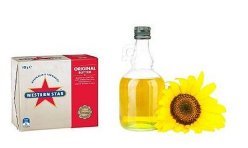
Lipids is a broad category that describes a group of about 7,000 fat-soluble, hydrophobic (not soluble in water) and naturally occurring organic compounds, found in animal or plant tissues. Lipids…
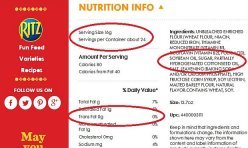
A major health concern are industrial trans fatty acids (iTFAs) that are created during partial hydrogenation of oils. Trans fat foods refer mainly to the foods that are made with…
Reading labels is not as easy as it should be. Labels can be informative but also can be confusing or used to trick customers. It often requires a good knowledge…
Most of the harmful trans fatty acids (TFAs) in our diet come from partially hydrogenated oils, (only small percentage from ruminants) which involves high temperatures and high pressure. But does…
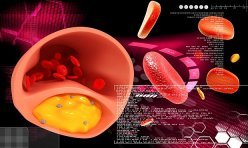
To understand why cholesterol is not causing the atherosclerotic plaque it is important to understand the process of plaque formation. There are various causes of atherosclerosis and cardiovascular disease (CVD)…
The following is a list of the most important characteristics of cholesterol in order to understand why there are so many myths about it. (1, 2, 3, 4, 5, 6,…
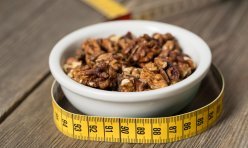
People generally think that because nuts are very high in energy nutrients, especially fat, they must be adding to weight gain. To understand why there is such a widespread concern,…
Various studies show that soluble fiber, from such sources as oats, psyllium and pectin, can reduce total and LDL (Low-density lipoprotein) cholesterol by a small amount. (read more on high…